What if your morning coffee, bayside sunsets, and favorite restaurants were all a short walk from home? If you’re weighing a downtown Sarasota condo, you’re likely looking for low-maintenance living with culture and water views close by. In this guide, you’ll learn what daily life feels like downtown, which buildings and amenities to expect, how pricing compares, and what to check before you buy. Let’s dive in.
Downtown lifestyle at a glance
Walkable coastal routine
You can step out for dinner, live music, or a quick gallery visit without moving your car. Downtown blocks rate as very walkable in neighborhood listings, and the streets come alive during the Saturday farmers market on Main Street and Lemon Avenue. Selby Gardens’ downtown campus and frequent arts events keep a steady rhythm of activity you can enjoy on foot.
Bayfront parks and marinas
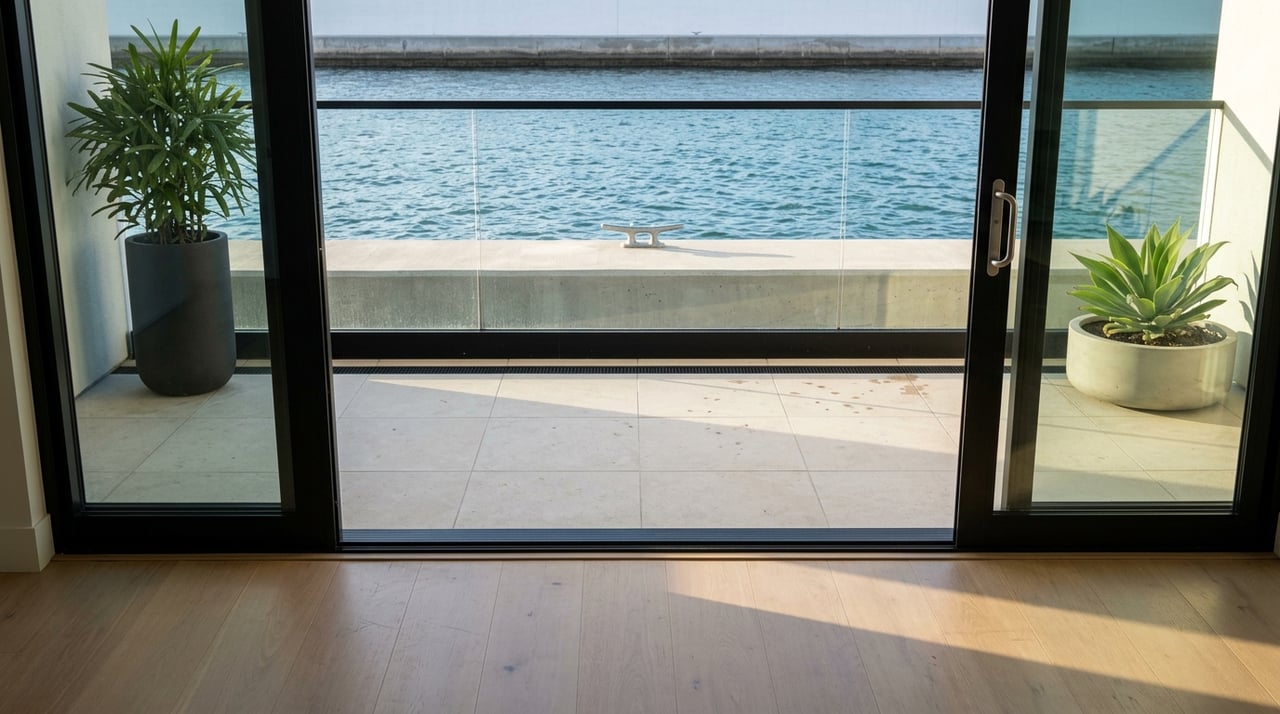
The waterfront anchors daily life here. Bayfront Park offers wide promenades, playful public spaces, and easy access to the marina. The nearby 53-acre project known as The Bay adds trails, lawn events, and family-friendly amenities along the water. You can preview these public spaces through the City’s Downtown Master Plan and explore how to experience The Bay today on its plan-your-visit page.
- Review the City’s vision in the Downtown Master Plan for context on how downtown is shaped and connected. (City of Sarasota Downtown Master Plan)
- See what’s open now and what’s coming at The Bay. (Plan your visit to The Bay)
Getting around easily
Sarasota-Bradenton International Airport (SRQ) is a short drive from downtown, and local transit has introduced or planned shuttle links that connect SRQ and downtown stops. Rideshare, county buses, and trolley-style shuttles make quick trips simple, so you can save the car for beach days or errands outside the core.
Condo buildings and amenities
Building types and examples
You’ll find a wide range of buildings downtown:
- Older low and mid-rise buildings, often with classic layouts and simpler amenities.
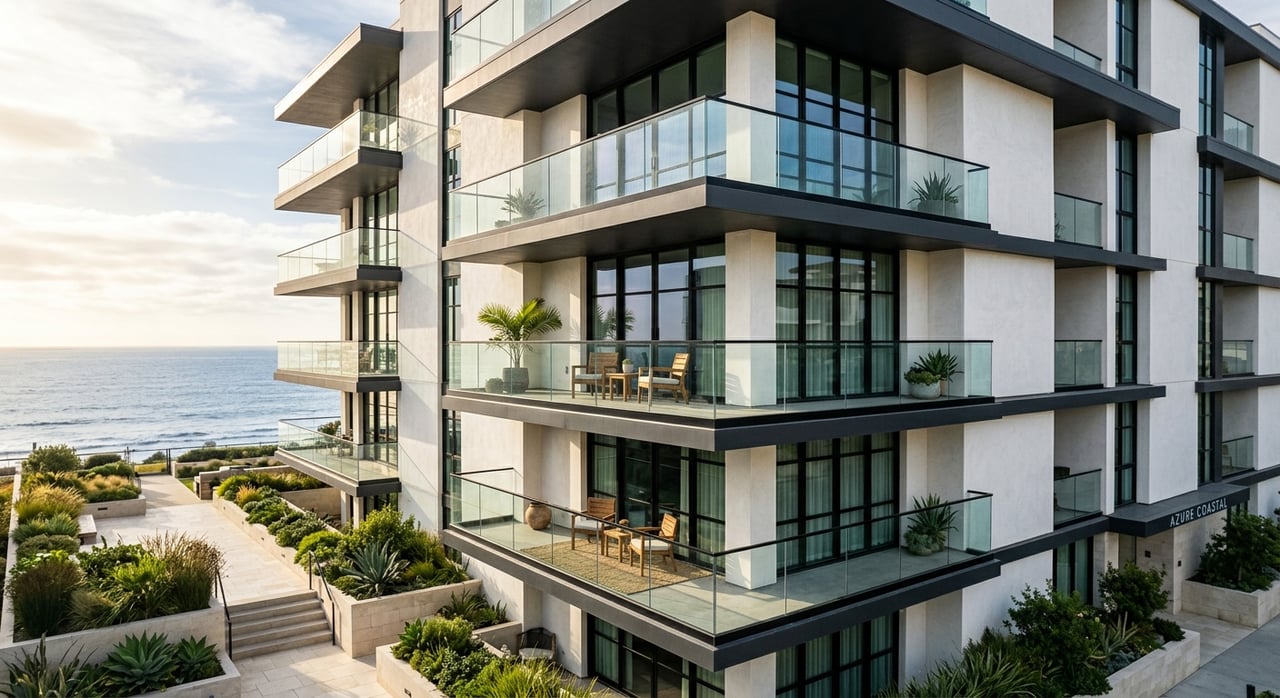
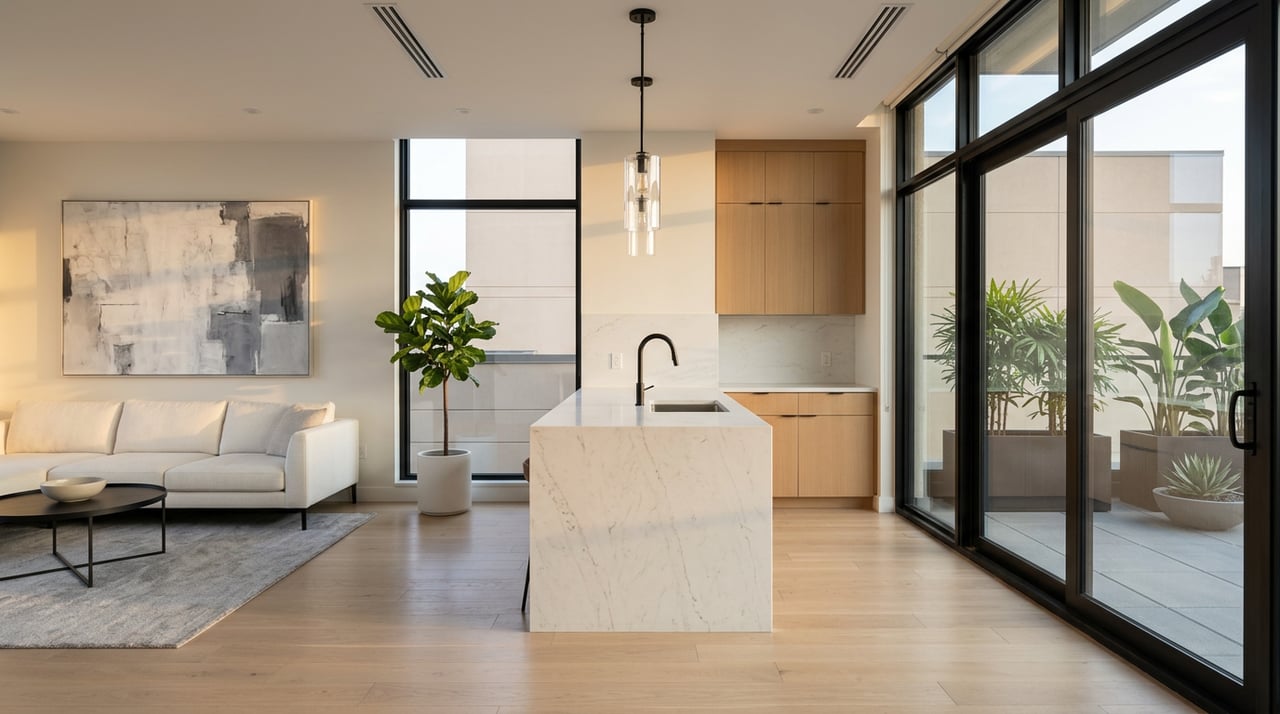
- Modern mid-rises with contemporary finishes and secure entry.
- Boutique luxury buildings on Golden Gate Point, plus waterfront high-rises with panoramic views.
To picture the top end, look at AQUA on Golden Gate Point. This boutique building illustrates the luxury tier with features like one residence per floor, private elevator entries, boat slips, and high-end design. It’s a good contrast to older, more modest buildings with smaller amenity lists. (AQUA on Golden Gate Point)
Amenities you commonly see
Newer and recently updated projects often include:
- Pool, fitness center, and clubroom or co-working lounge
- Concierge or valet services and controlled access
- On-site parking, bike storage, and guest suites
- Pet-friendly features like dog-wash rooms or small dog runs
Association fees typically cover exterior and grounds maintenance, building insurance, reserves, and common-area utilities. Each building is different, so review line items closely. (Common amenities and HOA coverage overview)
Floor plans and lifestyles
Expect options for every stage:
- Studios and 1-bedrooms work well as a pied-à-terre or starter home base.
- 2-bedroom condos fit many downsizers, couples, or work-from-home setups.
- Larger residences and penthouses in waterfront towers serve buyers seeking more space, views, and privacy.
Market and costs
The downtown premium
Downtown Sarasota functions as a higher-priced micro-market compared to the county overall. As of June 2025, downtown’s median condo sale price was about 1,175,000 dollars. Waterfront locations, newer construction, and luxury amenities drive this premium.
County context
At the county level, the REALTOR Association of Sarasota and Manatee reported year-end 2025 median figures for condos and townhomes that are well below the downtown high-rise median. This gap highlights the two-tier market: broader county inventory versus the downtown, view-rich core. Always note the data date, since pricing can shift with inventory and interest rates. (RASM year-end 2025 market report)
What affects pricing
Several factors shape value downtown:
- Waterfront exposure and views
- Building age, structural updates, and amenity depth
- Floor height and floor plan size
- Micro-market location, such as Golden Gate Point, central bayfront, or older low-rise pockets
If you compare options, weigh HOA fees and reserves alongside list price, since monthly costs and upcoming projects can affect your total budget.
Ownership rules and fees
HOA fees and documents to review
Monthly HOA or condo fees vary widely. Before you visit or make an offer, request and review the following:
- Current operating budget, year-to-date financials, and bank balance
- Most recent reserve study or structural integrity reserve study
- Minutes from 6 to 12 months of board meetings to spot maintenance or assessment trends
- Details on any special assessments or pending capital projects
Florida condominium law in Chapter 718 provides the legal framework for disclosures and association operations. Familiarize yourself with these basics if you want a smoother due diligence process. (Florida Condominium Act, Chapter 718)
Rentals and leasing terms
Short-term rental rules operate at two levels:
- City of Sarasota: Operators must register and meet local conditions under updates adopted in 2024. (City vacation rental registration guide)
- Individual condos: Many associations set minimum lease terms or restrict short stays.
If rental income is part of your plan, confirm both sets of rules in writing before you submit an offer.
Parking, storage, and pets
Downtown buildings differ on deeded parking, guest spaces, storage lockers, and vehicle size limits. Verify exactly what conveys, where the space is located, and guest policies. If you have a pet, confirm the building’s pet policy and any on-site pet amenities.
Flood, storms, and insurance
Flood zones and insurance
Flood risk varies block to block. Check the FEMA Flood Map Service Center for the specific address and ask the association whether elevation certificates exist for the building. If the property is in a Special Flood Hazard Area, lenders usually require a flood policy. Get a premium estimate early so you can compare total monthly costs across buildings. (FEMA Flood Map Service Center)
Hurricane readiness
Hurricane season runs from June 1 to November 30. Ask about the building’s mitigation features, such as impact-rated glass, shutters, or code-compliant glazing, and request the association’s emergency and evacuation plan. Also ask about any recent wind or hurricane damage and related repairs.
Insurance planning note
Request the master policy’s recent claims history and confirm your unit-level coverage needs with a licensed insurance professional. Insurance lines and deductibles can vary, and downtown high-rises may carry different wind and flood exposures than low-rise buildings inland.
Daily conveniences
Shopping and services
Downtown clusters cafes, small grocers, specialty food shops, pharmacies, salons, and fitness studios. Many errands are a short walk from most condo blocks. For full-size supermarkets or big-box shopping, plan a quick drive outside the core. Neighborhood listings offer a helpful snapshot of what’s within a short stroll. (Downtown Sarasota neighborhood overview)
Beaches and recreation
Lido Key and St. Armands Circle are a quick drive or bike ride from downtown for beach time, boutique shopping, and dining. Many residents enjoy a downtown-to-bayfront evening routine and save beach days for weekends or guests.
Who this suits
Buyer profiles
Downtown Sarasota condo living attracts several groups:
- Retirees and empty nesters who want a low-maintenance home base near culture and dining.
- Second-home and seasonal residents who value proximity to beaches, the bayfront, and quick airport access.
- Younger professionals and couples who prefer a walkable, urban-coastal lifestyle.
- Investors looking at buildings that permit rentals, subject to both city rules and condo bylaws.
Smart buyer checklist
Before you tour or write an offer, use this quick list:
- Ask for the association’s current budget, bank balance, and the latest reserve or structural integrity reserve study.
- Read 6 to 12 months of board meeting minutes for maintenance items and special assessments.
- Confirm rental rules twice: the City’s registration requirements and your building’s minimum lease terms.
- Pull the FEMA flood map for the address and ask for any elevation certificates or recent mitigation upgrades.
- Request the master insurance policy’s claims history and get a flood insurance quote if the parcel is in a higher-risk zone.
- Verify deeded parking, storage, guest policies, and any vehicle restrictions.
- Compare HOA inclusions, reserves, and upcoming projects across buildings, not just list price.
Next steps
If downtown Sarasota condo life fits your goals, you deserve a local expert who knows each building, fee structure, and micro-market. For tailored guidance, private listing access, and a smooth plan from search to closing, connect with James A. Brown. Schedule a Consultation and start your downtown Sarasota search with confidence.
FAQs
Is downtown Sarasota walkable for errands and restaurants?
- Yes. Core blocks are very walkable in neighborhood listings, and dining, galleries, and the Saturday farmers market cluster within short walks for many buildings.
How expensive are downtown condos compared to the county?
- Downtown’s median was about 1,175,000 dollars in June 2025, well above county-level condo medians reported for year-end 2025 by the local association.
Can you short-term rent a downtown Sarasota condo?
- You must register under City rules and also comply with your condo’s leasing terms. Many associations set minimum stays or restrict short rentals, so confirm both in writing.
Do you need flood insurance for a downtown condo?
- If the parcel is in a Special Flood Hazard Area, lenders typically require a flood policy. Even in lower-risk zones, it is smart to quote flood coverage and review the building’s elevation information.
What amenities do downtown Sarasota condos typically include?
- Many newer buildings offer pools, fitness centers, clubrooms, concierge services, secure parking, and pet amenities, with HOA fees covering common-area upkeep, insurance, and reserves.