Are you looking for a rental property in Manatee County that actually works on paper, not just in a listing photo? That is a smart question, because in this market, an investment-friendly property is not simply the cheapest home or the one with the highest advertised rent. If you want a property that fits your goals, you need to weigh price, rules, taxes, insurance, and location before you buy. Let’s dive in.
What makes a property investment-friendly?
In Manatee County, an investment-friendly property is usually one that matches your strategy, has manageable holding costs, and allows the type of rental use you want. That could mean a long-term rental, a part-time owner-occupied setup, or a short-term vacation rental, depending on the property and local rules.
The key is that investment-friendly is not a countywide label. It depends on whether the property sits in unincorporated county land or inside a city, what the zoning allows, and whether an HOA or condo association adds restrictions. A good-looking deal can quickly lose appeal if the documents limit lease terms, parking, pets, or occupancy.
Why Manatee County draws investor interest
Manatee County continues to attract attention because of its growth and housing demand. According to the U.S. Census QuickFacts for Manatee County, the county’s 2024 estimated population reached 458,352, up 14.7% from 2020. The same source reports a median household income of $78,457, median gross rent of $1,671, and an owner-occupancy rate of 74.3%.
Those numbers do not guarantee returns, but they do show a growing market with a large base of established households. The county also has a higher share of residents age 65 and older than the state average, which can support demand for practical, low-maintenance housing options rather than highly complex living arrangements.
Compare entry points by property type
One of the first decisions you will make is what type of property to target. In the broader North Port-Sarasota-Bradenton metro, the year-end 2025 Florida Realtors MSA summary shows median sale prices of $475,000 for single-family homes and $320,000 for townhouses and condos.
That price gap matters. Attached properties can offer a lower barrier to entry, while single-family homes may offer a simpler operating model. The best fit depends on your budget, risk tolerance, and how much oversight you are willing to manage.
Single-family homes
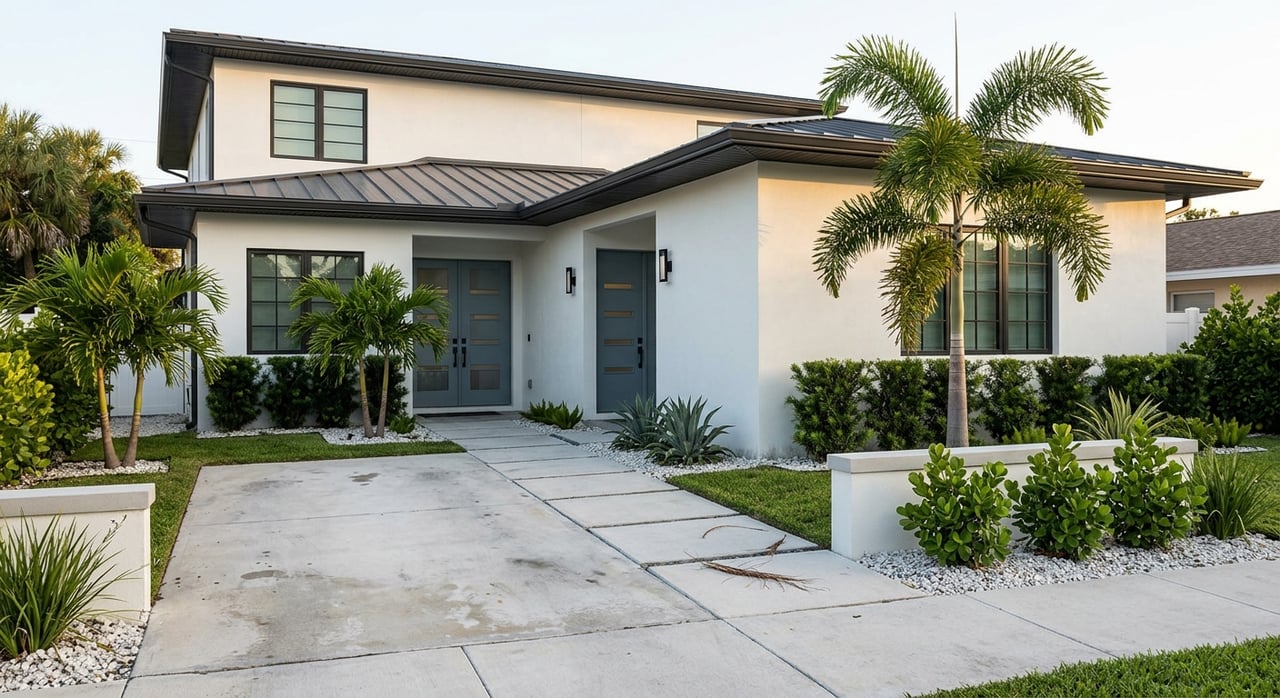
Single-family homes often appeal to small-scale investors because they can be simpler for long-term rentals and house hacking. In many cases, they avoid the extra approval layers that come with condos and some associations.
That said, you still need to verify zoning and permitted use. Manatee County’s Planning, Development and Zoning Division makes local zoning and land use tools available, which is a strong starting point when you are evaluating a property.
Condos and townhomes
Condos and townhomes can make sense if you want a lower purchase price than many single-family options. They may also appeal to buyers who prefer less exterior maintenance, but the tradeoff is more document review and more rule-based oversight.
Florida condo buyers are entitled to key association documents, including the declaration, bylaws, and rules affecting use. As outlined in Florida’s condo disclosure requirements, those materials can directly affect your rental plan, so they should be treated as part of the investment analysis, not as paperwork to skim later.
Check rules before you call it an investment
Many buyers make the mistake of deciding a property is a great investment before confirming what they are allowed to do with it. In Manatee County, that can be costly.
Start by confirming whether the property is inside a municipality or in unincorporated county land. Then review zoning, land development rules, and any association documents. The county’s planning and zoning resources can help you identify the local framework, but they are only one part of the picture.
HOA and condo restrictions matter
A property may be legal under county zoning and still be a poor rental candidate because of private rules. Manatee County’s Code Enforcement overview notes that HOA rule enforcement is private, not handled by the county.
That means you need to ask practical questions such as:
- Are rentals allowed at all?
- Is there a minimum lease term?
- How often can you lease the unit each year?
- Are there limits on pets, parking, or occupancy?
- Would your plan still work if lease rules changed later?
For HOA-regulated communities, Florida law allows certain rental-related amendments and restrictions, which is why reviewing HOA authority under state law is part of smart due diligence.
Short-term rentals need extra scrutiny
If you are thinking about a vacation rental, your screening process needs to be even tighter. Short-term rentals have a different compliance and tax structure than long-term leases.
Manatee County states that rentals or leases of six months or less are subject to a 13% tourist tax total. According to the Manatee County Tax Collector tourist tax guidance, 6% is remitted to the county tax collector and 7% is remitted to the Florida Department of Revenue. The county also says owners are responsible for registering and remitting the tax themselves.
City rules can vary
Local municipal rules can add another layer. In Bradenton’s vacation rental registration guidance, short-term vacation rentals require a Certificate of Registration, each rental needs a separate certificate, and annual renewal is required.
The research also notes separate registration or inspection requirements in places such as Anna Maria and Longboat Key for certain rental situations. That is why one of the most important questions is simple: What rules apply at this exact address?
Do not overlook flood and insurance costs
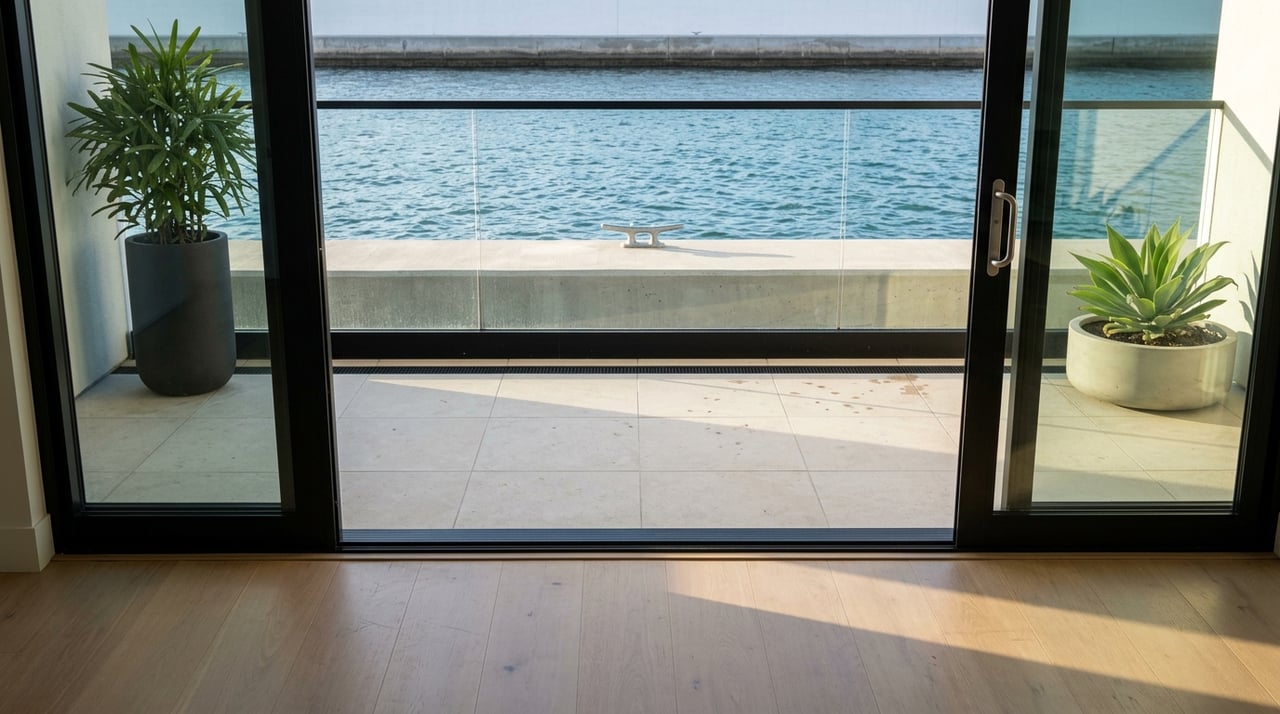
A property can look promising until insurance and resilience costs change the math. In coastal and low-lying parts of Manatee County, flood and storm exposure should be part of your upfront analysis.
Manatee County participates in the National Flood Insurance Program and provides floodplain review through Development Services. The county also offers an address-based tool for flood zone and evacuation information in its flood risk information materials. For condos, Florida disclosure rules also remind buyers that standard homeowners insurance does not cover flooding.
Before you move forward, estimate:
- Flood insurance needs
- General property insurance costs
- HOA or condo dues
- Storm preparation or mitigation costs
- Ongoing maintenance reserves
A practical screening checklist
If you want to narrow your search quickly, focus on properties that clear these basic hurdles first:
- The purchase price fits your financing and cash reserve plan
- The zoning appears to support your intended use
- The home is either outside restrictive associations or has documents that support your lease strategy
- The flood, insurance, and maintenance profile looks manageable
- The city or county rules are clear for the rental type you want
- The numbers still make sense after taxes, dues, and repairs
This approach helps you avoid chasing listings that look attractive online but become difficult once the documents arrive.
Where local guidance helps most
When you are buying for investment purposes, the best local guidance is often about elimination, not hype. You want someone who can help you compare property types, spot rule-related red flags early, and keep your search aligned with your actual strategy.
That is especially useful in Manatee County, where the right fit may be a single-family home with fewer operational layers, or it may be a condo or townhome with a lower entry price and acceptable restrictions. The goal is not to force every property into the same model. The goal is to find the one that gives you the clearest path forward.
If you want help identifying properties in Manatee County that align with your budget and rental goals, connect with James A. Brown for a personalized consultation.
FAQs
What makes a property investment-friendly in Manatee County?
- A property is generally more investment-friendly when its price, zoning, association rules, taxes, insurance profile, and maintenance costs all support the rental strategy you want to use.
Are condos good investment properties in Manatee County?
- Condos can offer a lower entry price, but you need to review the declaration, bylaws, rules, and other disclosures carefully because those documents may limit leasing or add operational costs.
Do short-term rentals in Manatee County have special taxes?
- Yes. Rentals or leases of six months or less are subject to a 13% tourist tax total, with 6% remitted to the county tax collector and 7% to the Florida Department of Revenue.
Do city rules affect Manatee County investment properties?
- Yes. Properties inside cities such as Bradenton may have separate short-term rental registration, inspection, or renewal requirements beyond county and state obligations.
Why should flood risk matter when buying a rental in Manatee County?
- Flood risk can affect insurance costs, storm preparation expenses, and the overall economics of the property, especially in coastal or low-lying areas.
Should I review HOA rules before buying an investment property in Manatee County?
- Yes. HOA and condo rules can affect lease length, rental frequency, parking, pets, and occupancy, which may directly impact whether the property works for your plan.