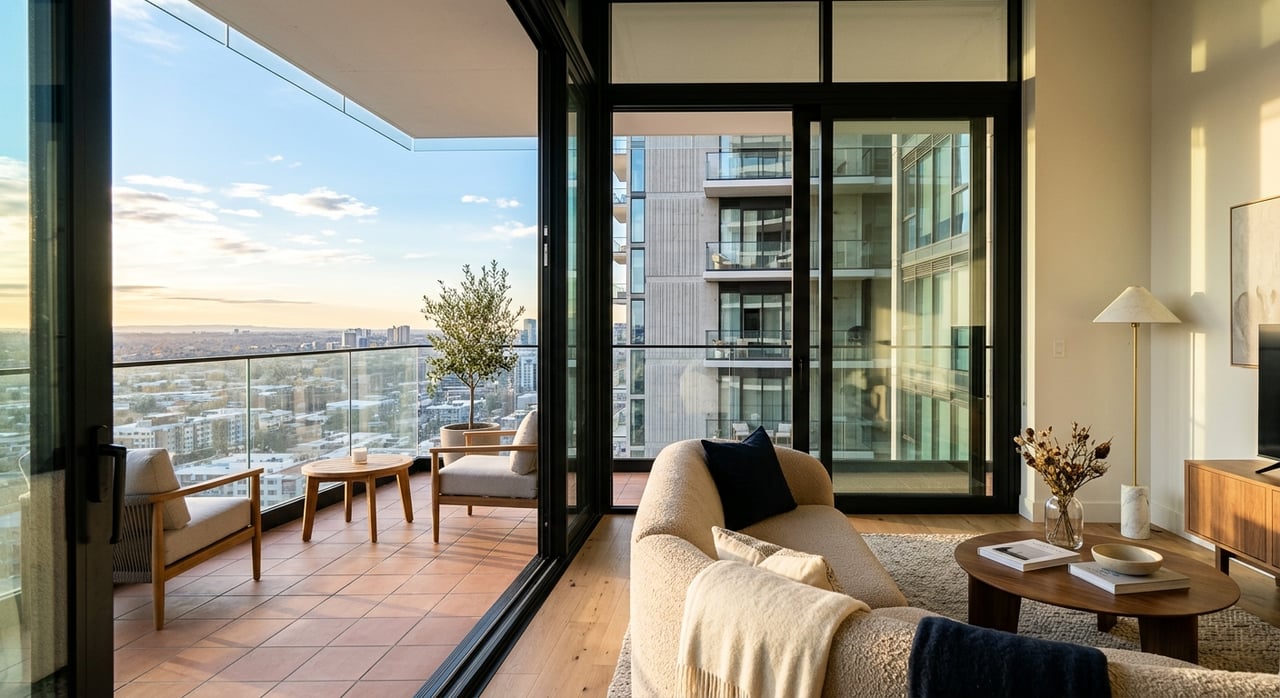
Wondering whether a bayfront condo or a city-facing condo is the better fit in downtown Sarasota? If you are already focused on downtown, this choice can shape how your home feels day to day, from the views you wake up to to how easily you move through errands, events, and waterfront time. The good news is that the answer is less about a simple “better or worse” and more about matching the property to your lifestyle, budget, and comfort with building-level due diligence. Let’s dive in.
Why orientation matters downtown
In downtown Sarasota, condo orientation often creates two distinct living experiences. One is tied closely to Sarasota Bay, public waterfront spaces, and a more scenic backdrop. The other is tied more directly to Main Street, the Rosemary District, parking assets, and the energy of the downtown core.
That means your decision is not just about what you see from the balcony. It also affects daily convenience, noise patterns, event access, and how the building functions for full-time living or seasonal use. When buyers compare downtown condos line by line, orientation can become one of the most practical filters in the search.
What bayfront condos offer
Bayfront condos usually appeal to buyers who want water views, sunsets, and a more resort-like setting. Downtown Sarasota’s waterfront side is shaped by destinations like The Bay, Bayfront Park, Island Park, Marie Selby Botanical Gardens, and the Van Wezel’s bayfront setting. Together, those public amenities reinforce the calm, scenic feel that draws many downtown condo buyers to the waterfront edge.
The bayfront side also has a strong connection to outdoor leisure. The Bay itself is a 53-acre public park along Sarasota Bay, and nearby waterfront parks include walking paths, public art, restrooms, playground areas, food and beverage access, and kayak or canoe access. If you picture morning walks, time near the water, and easy access to open-air public spaces, bayfront living tends to align with that lifestyle.
Another plus is mobility beyond downtown. The Bay Runner trolley offers complimentary service connecting downtown Sarasota, St. Armands Circle, and Lido Beach. For owners who want an easier path between downtown and beachside destinations, that can be a meaningful lifestyle benefit.
Bayfront tradeoffs to consider
The strongest bayfront tradeoff is that you should look carefully at flood exposure, evacuation planning, and insurance. The City of Sarasota says current flood maps became effective March 27, 2024, and some coastal locations now show Coastal A Zone and LIMWA areas. Flood-zone and evacuation-zone lookups are available by address, which makes address-level review especially important before you move forward.
Flood insurance also deserves direct attention. Standard homeowners coverage does not automatically cover flood loss, and flood insurance may be required in higher-risk areas when a government-backed mortgage is involved. The City of Sarasota also notes that its Community Rating System Class 5 designation can reduce flood insurance premiums by up to 25 percent before additional fees, which may help some owners depending on the property and policy.
Pricing is another factor. While there is no published local index that gives an exact bayfront-versus-city-facing premium, waterfront supply is limited and demand remains strong, especially among cash and second-home buyers. In practice, that often means bayfront units deserve extra scrutiny on value, not just because of the view, but because the total cost of ownership may look different from a city-facing alternative in the same general area.
What city-facing condos offer
City-facing condos usually fit buyers who want to be more connected to downtown Sarasota’s daily rhythm. These units often place you closer to Main Street activity, urban events, and practical conveniences like central parking. If your ideal downtown life includes stepping into the heart of the city more often than stepping toward the bay, this orientation may be the better match.
The City of Sarasota highlights how central parking supports this side of downtown living. The 2nd Street and Whole Foods garage is described as convenient and central to the downtown core, Rosemary District, and 5 Points Park. The 1st Street lot, located behind Main Street buildings between Lemon and Orange, is described by the city as the most convenient location within the core of downtown.
City-facing living also places you closer to Sarasota’s recurring downtown programming. Main Street hosts numerous events, fairs, festivals, and fundraisers, and Fresh Fridays takes place on Main Street between Pineapple and Palm. Nearby cultural destinations include Florida Studio Theatre, Sarasota Opera, Sarasota Ballet, and Sarasota Orchestra, which adds another layer of convenience for buyers who want an active in-town lifestyle.
City-facing tradeoffs to consider
The main tradeoff is straightforward. You may give up some of the dramatic direct-water visual appeal that comes with a bayfront unit. For many buyers, though, that tradeoff is worth it if they care more about layout, condition, location efficiency, and easier access to everyday downtown routines.
City-facing condos can also be a more value-oriented choice in some cases. That is not a published pricing rule, but it is consistent with a market where buyers are comparing options carefully and negotiating actively. If your priority is getting the right floor plan, a stronger building financial profile, or a more efficient downtown location, a city-facing unit may deserve serious attention.
How the current market affects your choice
Downtown Sarasota condo buyers are shopping in a market with meaningful inventory and active cash demand. In Sarasota County, condo and townhome closed sales rose 9.1 percent year over year in January 2026 to 264, with a median sale price of $314,175. Active inventory stood at 2,449 units, months supply was 8.9, median time to contract was 66 days, and cash buyers made up 68.9 percent of transactions.
By March 2026, the pace had accelerated further. Closed sales rose 40.4 percent year over year to 455, the median sale price reached $359,500, active inventory measured 2,392 units, and months supply was 8.1. Median time to contract was 65 days, median time to sale was 104 days, and cash transactions still represented 65.5 percent of sales.
For you, the key takeaway is that buyers have options, but competition remains real for properties that check the right boxes. In a more balanced market, orientation matters more because buyers can afford to compare lifestyle, building economics, and long-term fit instead of rushing into the first available unit. That is especially true downtown, where one side of a building can live very differently from another.
Due diligence can outweigh the view
A great view should never be the only reason you choose a condo. In Florida, condominium and cooperative buildings that are three stories or more must meet milestone inspection requirements at age 30 and every 10 years after that. Structural integrity reserve studies are separate requirements, and applicable inspection and reserve-study records are official records that must be provided to purchasers.
That matters because two downtown condos with similar square footage can present very different ownership costs and risks. Before you choose between bayfront and city-facing, compare:
- HOA fees
- Reserve funding
- Special assessment history
- Milestone inspection status
- Structural reserve-study information
- Parking setup
- Flood-zone and evacuation-zone details
- The actual view corridor from the specific unit
This is where many buyers make the smartest decision. A bayfront tower may offer stunning scenery, but a city-facing unit in a stronger financial position could be the better overall fit. On the other hand, a well-run bayfront building with clear disclosures and a lifestyle that fits your goals may justify the premium for the right buyer.
Which condo orientation fits your lifestyle?
If you are trying to narrow it down, start with how you expect to use the home most often. Bayfront living usually fits buyers who prioritize scenery, waterfront access, sunsets, and a more leisure-focused atmosphere. City-facing living usually fits buyers who prioritize access to downtown events, practical convenience, and the energy of everyday city life.
A helpful way to think about it is this: bayfront is often about the setting, while city-facing is often about the rhythm. Neither is automatically superior. The best choice is the one that supports how you want to live, visit, or invest in downtown Sarasota.
Bayfront may fit you if you want:
- Direct water views or stronger sunset potential
- Easier access to waterfront parks and open-air public spaces
- A more scenic, resort-like feel
- Convenient connections toward St. Armands Circle and Lido Beach via the Bay Runner trolley
City-facing may fit you if you want:
- Closer connection to Main Street and downtown events
- More emphasis on errands, walkability, and everyday convenience
- Easier proximity to central downtown parking assets
- A value conversation focused more on layout, condition, and building economics than water frontage
The bottom line on bayfront vs city-facing
In downtown Sarasota, bayfront versus city-facing is not just a view question. It is a mix of lifestyle, access, building costs, flood and insurance considerations, and condo-level due diligence. Once you look beyond the brochure photos, the right answer becomes much clearer.
If you want help comparing specific buildings, reading condo documents, or narrowing down the best downtown fit for your goals, James A. Brown can help you evaluate the details with a local, practical perspective.
FAQs
What is the main difference between bayfront and city-facing condos in downtown Sarasota?
- Bayfront condos are generally more connected to Sarasota Bay, waterfront parks, and scenic views, while city-facing condos are generally more connected to Main Street, events, parking, and the everyday rhythm of the downtown core.
Are bayfront condos in downtown Sarasota always more expensive?
- Not always, but bayfront orientation often carries a premium because waterfront supply is limited and buyer demand is strong. The exact difference depends on the specific building, unit, condition, and financial profile.
Do downtown Sarasota bayfront condos require more flood review?
- Yes. For bayfront condos, it is smart to review the property’s flood zone, evacuation zone, and insurance implications carefully because current city flood maps identify higher-risk coastal areas in some locations.
Are city-facing condos better for full-time downtown Sarasota living?
- They can be a strong fit for full-time residents who want easier access to errands, events, parking, and downtown cultural venues. The best choice still depends on your personal routine and the specific building.
What condo documents should buyers review in downtown Sarasota?
- Buyers should review HOA fees, reserve funding, special assessment history, milestone inspection status, structural reserve-study information, parking details, and any flood-related property information that applies to the address.
Is the downtown Sarasota condo market competitive right now?
- Buyers currently have options, with active inventory and an 8.1 to 8.9 month supply reported in early 2026 for Sarasota County condos and townhomes. Cash remains a major force in the market, so well-positioned units can still attract strong interest.