Are condo assessments making you second-guess a Downtown Sarasota purchase? You are not alone. With coastal weather, evolving regulations, and insurance costs, assessments can feel confusing and costly. This guide breaks down what assessments are, how they work in Sarasota, and how you can evaluate a building’s financial health before you buy. You will learn what to request, which red flags to watch, and how to negotiate smart terms. Let’s dive in.
Why assessments matter in Downtown Sarasota
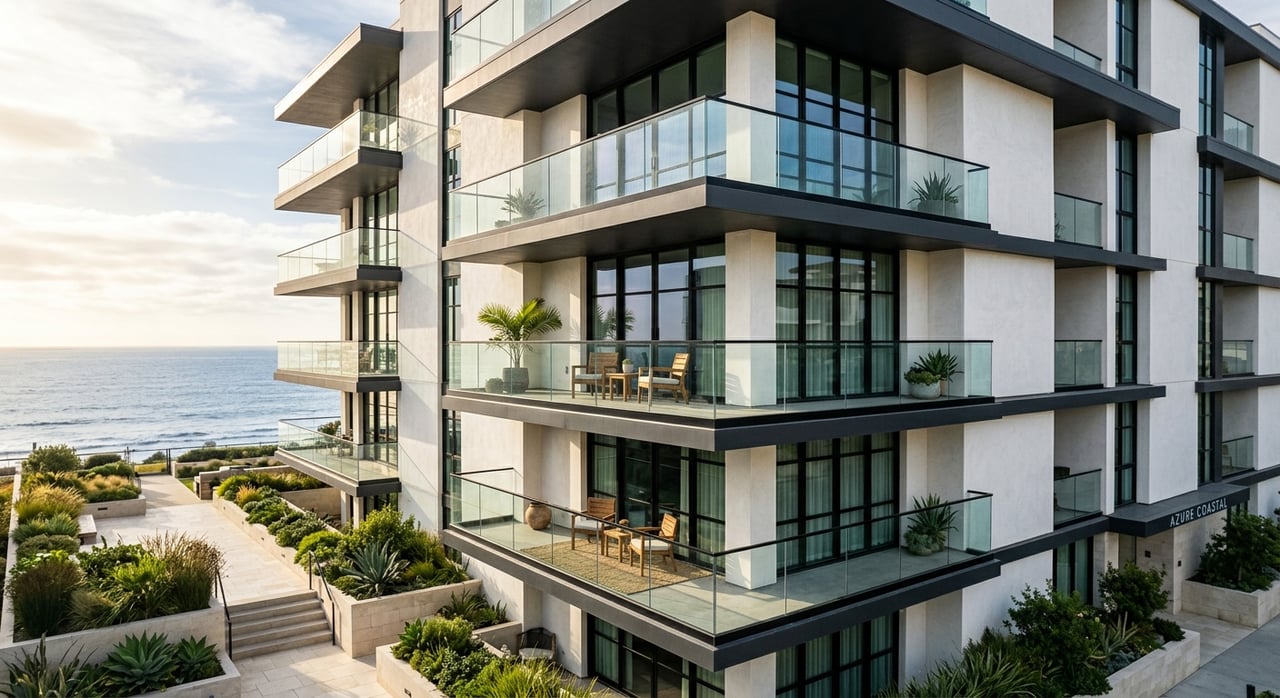
Downtown Sarasota has a mix of older and newer condos, many close to the bay. Coastal exposure means more wear from salt air and storms. That adds maintenance needs, which influence association budgets and future assessments.
Recent focus on building safety raised the bar for inspections and financial transparency. Associations face higher insurance premiums and stricter planning for repairs. These pressures can lead to higher regular dues or special assessments.
Regular dues vs special assessments
Your regular assessment (monthly or quarterly dues) pays the day-to-day bills. Think utilities for common areas, management fees, cleaning, landscaping, elevators, and association insurance. In a healthy budget, these costs are predictable.
A special assessment is a one-time charge for expenses not covered by the operating budget or reserves. It can fund big projects, emergency repairs, uninsured losses, or temporary shortfalls. Large or long-term assessments may require owner votes based on the governing documents.
What you want to see is a stable pattern of routine dues with reserves that match future needs. Frequent special assessments can signal underfunding.
Reserves and reserve studies
Reserve funds are savings for major items like roofing, elevators, exterior painting, and structural repairs. A reserve study estimates the useful life of these components and the timing and cost of replacements. The study recommends a funding plan.
Best practice is to update reserve studies regularly and follow the funding schedule. The key question is whether current reserves plus planned contributions are enough for known projects. Low reserves increase the chance of special assessments or steep dues increases.
When reviewing a condo, ask for the study’s “percent funded” and the upcoming project list. Compare the recommended balance to the actual reserve balance.
Insurance and deductibles in coastal condos
Insurance is a major driver of costs in Florida coastal buildings. Associations carry property and liability policies and may have windstorm or flood coverage. Deductibles for named storms or wind events can be high and percentage based.
When a loss occurs, owners may share the deductible cost through assessments. Check the policies and deductible amounts. Large deductibles can create big, unexpected owner charges after a storm.
What to request before you offer
Ask for these items early so you can make an informed decision:
- Declaration and bylaws: Authority to levy assessments, voting thresholds, and responsibility split between owners and association.
- Rules and regulations: Daily living policies, rental terms, and amenity use.
- Current budget and last 2–3 years of budgets: Trends in insurance, utilities, and staffing.
- Financial statements and year-to-date financials: Cash on hand, deficits, and audit notes.
- Recent reserve study and funding policy: Recommended funding vs actual balance, and projects on the horizon.
- Board meeting minutes and newsletters for the last 12–24 months: Clues about deferred maintenance, upcoming projects, and financial stress.
- Assessment history for the last 5–10 years: Frequency, amounts, and reasons.
- Insurance certificates and policies: Coverage types and deductibles, including windstorm and flood.
- Pending litigation disclosures: Legal matters can drain reserves and lead to assessments.
- Building inspection and engineering reports: Structural, envelope, and waterproofing findings.
Red flags to watch
Keep a close eye on these signals of risk:
- Outdated or inadequate reserve study or a low percent funded.
- Multiple large special assessments in recent years or any pending assessments.
- High owner delinquency rate and large receivables.
- Ongoing structural or waterproofing issues in reports.
- Significant pending litigation or legal cost overruns.
- Insurance with very high windstorm deductibles or limited structural coverage.
- Frequent management changes or board turnover.
- Big capital projects planned without a clear funding plan.
- Noncompliance with local inspection or recertification timelines.
Smart contract contingencies
Build protection into your offer with targeted contingencies:
- Association document review: Require the full packet with a defined review period, often 7–14 days.
- Financing contingency: Confirm your lender will underwrite the specific condo project.
- Attorney review option: Have a condo attorney review the governing documents.
- Engineering and inspection review: Evaluate available building reports.
- Estoppel requirement: Obtain a current estoppel for exact amounts due, pending assessments, and restrictions.
These terms create time and leverage to verify facts and exit if needed.
Who pays an assessment at closing
Responsibility depends on timing and your contract. A common approach is to have the seller pay assessments that were approved and levied during their ownership. If a project is approved but not yet billed, negotiate how to split the cost.
If a large project is coming, consider a seller credit, a price adjustment, or asking the seller to pay a set share of the assessment. Tie any agreement to written association documentation.
Financing considerations
Lenders evaluate the condo project as well as your loan file. Heavy assessment history, inadequate reserves, or unresolved structural issues can affect eligibility for some loan programs. If you plan to finance, verify project eligibility early.
Your lender may also factor extraordinary assessments into your debt-to-income analysis. Share all available project info up front to avoid delays.
Quick buyer checklist
Use this list to stay organized:
- Get the current budget, recent financials, and last 2–3 years of budgets.
- Review the latest reserve study and the association’s funding policy.
- Read board minutes and newsletters from the last 12–24 months.
- Confirm insurance policies and deductibles, including windstorm and flood.
- Ask for assessment history and any pending or proposed assessments.
- Request building inspection and engineering reports.
- Verify owner delinquency rate and any pending litigation.
- Confirm any local inspection or recertification requirements and timelines.
- Secure a current estoppel before closing.
- Include contingencies for document review, financing, attorney review, and estoppel.
When you combine clear documents, a realistic reserve plan, and transparent communication from the board, you can buy with confidence in Downtown Sarasota.
Ready to evaluate a specific building and align your offer with the numbers? Reach out to James A. Brown for a focused, local review and a clear plan for your next step.
FAQs
What is a special assessment in a Sarasota condo?
- A one-time charge for costs not covered by regular dues or reserves, often for major projects, emergencies, or uninsured losses.
How do reserves affect my future costs?
- Strong reserves reduce the chance of surprise special assessments and help keep dues increases more predictable over time.
Which documents show assessment risk before I buy?
- Review the budget, financials, reserve study, board minutes, assessment history, insurance declarations, and engineering reports.
How can I negotiate an upcoming assessment with a seller?
- Ask the seller to pay assessments approved during their ownership or negotiate a credit or price change tied to documented project costs.
Why are insurance deductibles important in Sarasota?
- High windstorm deductibles can lead to large owner charges after storms, often collected through special assessments.
Can assessments affect my mortgage approval?
- Yes. Lenders review project health and may limit financing for buildings with heavy assessments, low reserves, or unresolved structural issues.
What timeline should I set for document review?
- Many buyers use 7–14 days, but you can negotiate based on availability of documents and your travel or scheduling needs.