If boating is part of your daily rhythm, finding the right Longboat Key home is really about matching your dock to your draft and your lifestyle to the water. You want easy access, safe moorage, and the right mix of amenities without surprises after closing. This guide helps you compare the main property types that work best for boaters on Longboat Key and shows you exactly what to verify with marinas and HOAs before you buy. Let’s dive in.
Longboat Key boating at a glance
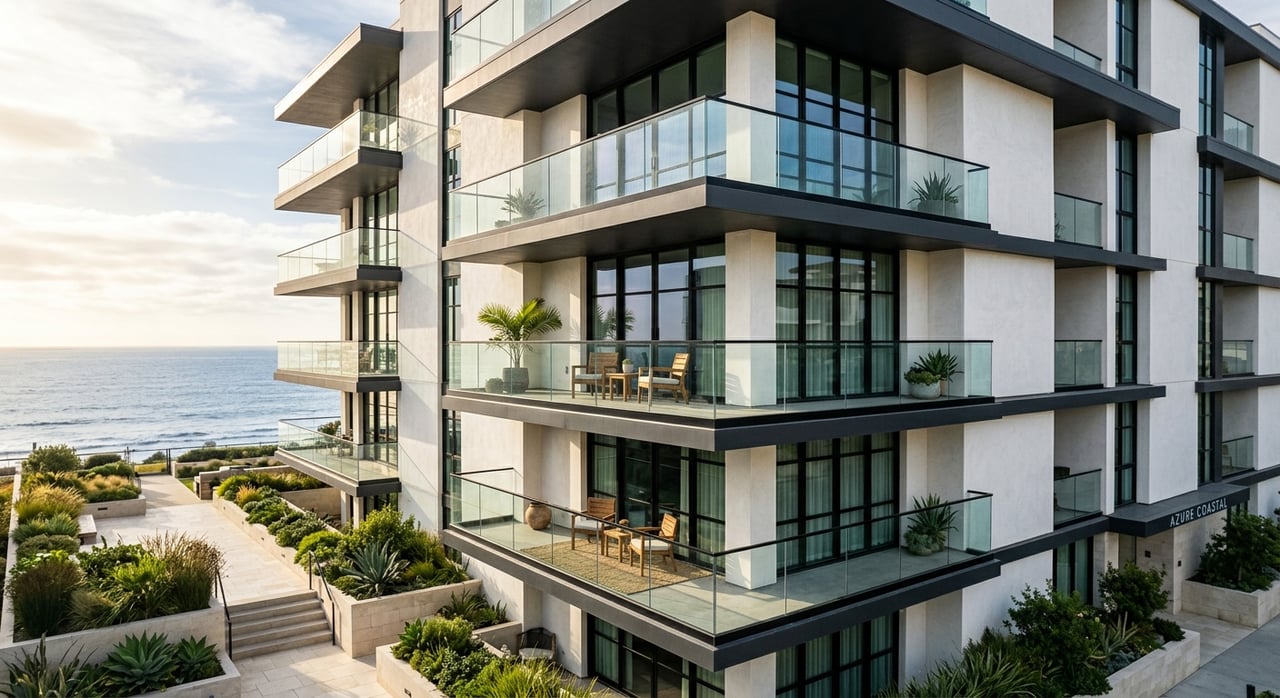
Longboat Key sits between the Gulf of Mexico and Sarasota Bay, which creates two very different boating experiences. Gulffront properties deliver sweeping views and beach access, but most do not offer deepwater dockage right on the Gulf. Bayfront and canal properties face protected waters, where private docks, boat lifts, and marina options are more common.
When you plan runs to the open Gulf, you will usually travel through dredged channels from the bay side. The ease of that trip depends on channel depth, tides, and current local rules. Dock construction, lifts, and dredging are regulated by the Town of Longboat Key, Manatee and Sarasota counties, and state and federal agencies. Before you buy, confirm what is allowed at the property and along your intended route.
Match your vessel to the property
Start with your boat’s exact specs and work backward to the right neighborhood fit. Bring this checklist to every showing and marina call.
- Length overall, beam, and draft at typical load.
- Required slip length and beam, and whether you prefer a wet slip, boat lift, or dry stack.
- Minimum depth at mean low water for both the dock and the approach channel.
- Any bridge clearances or vertical obstructions on your intended route.
- Slip type and control: deeded, assigned by HOA, or leased from a marina, plus any waitlist details.
- On-site utilities and services: shore power, water, pump-out, and fueling access.
- Hurricane plan: haul-out options, transfer procedures, and insurance requirements.
- Guest and transient policies if you plan to host visiting boaters.
- Local rules: live-aboard limits, speed zones, lighting, and noise policies.
- Cost factors: HOA dock fees, slip lease rates, insurance, and fuel access.
Best property types for boaters
Longboat Key offers several property types that serve boaters well. Each delivers a different mix of convenience, ownership control, and amenities.
Resort and club marinas
These communities center on a managed marina with professional staff and robust services. You can expect security, pump-out, power, and often concierge-style support. Slips may be reserved for owners, offered for lease, or a blend of both.
- Best for: Owners who want full-service support and a polished experience with minimal upkeep.
- What to verify: Maximum vessel size by length and beam, minimum depth at low tide, slip lease terms, transient rules, and hurricane procedures.
Bayfront canal neighborhoods
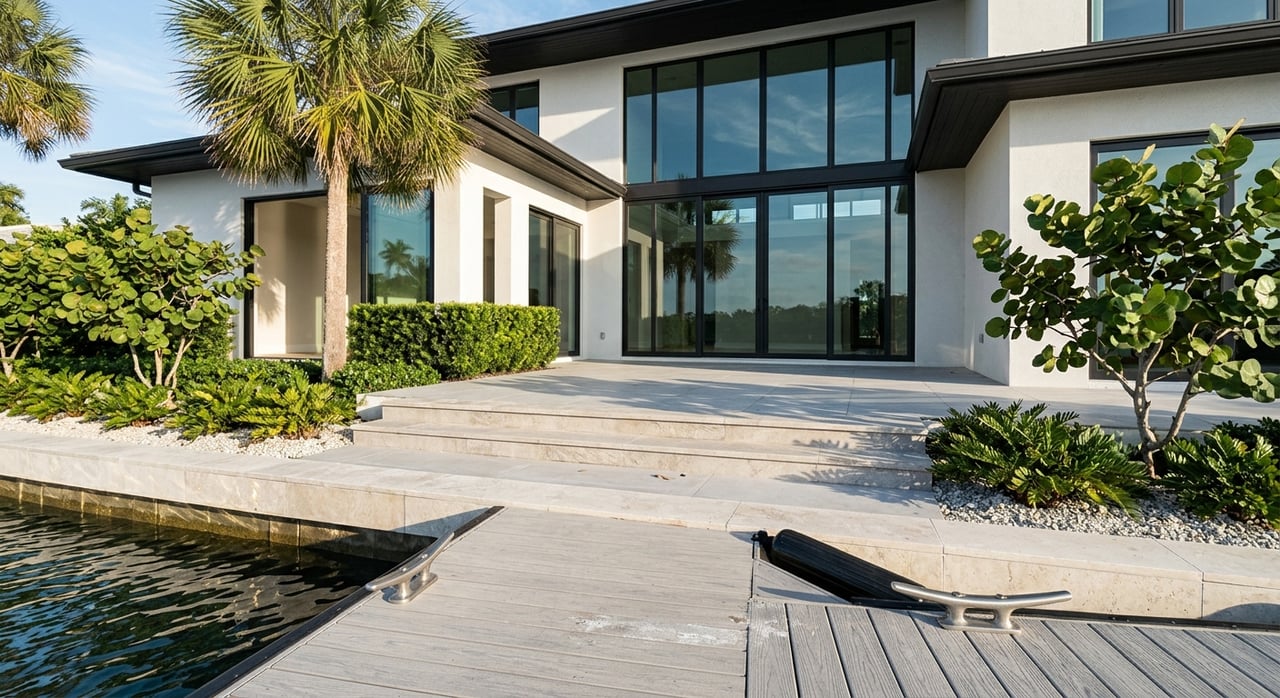
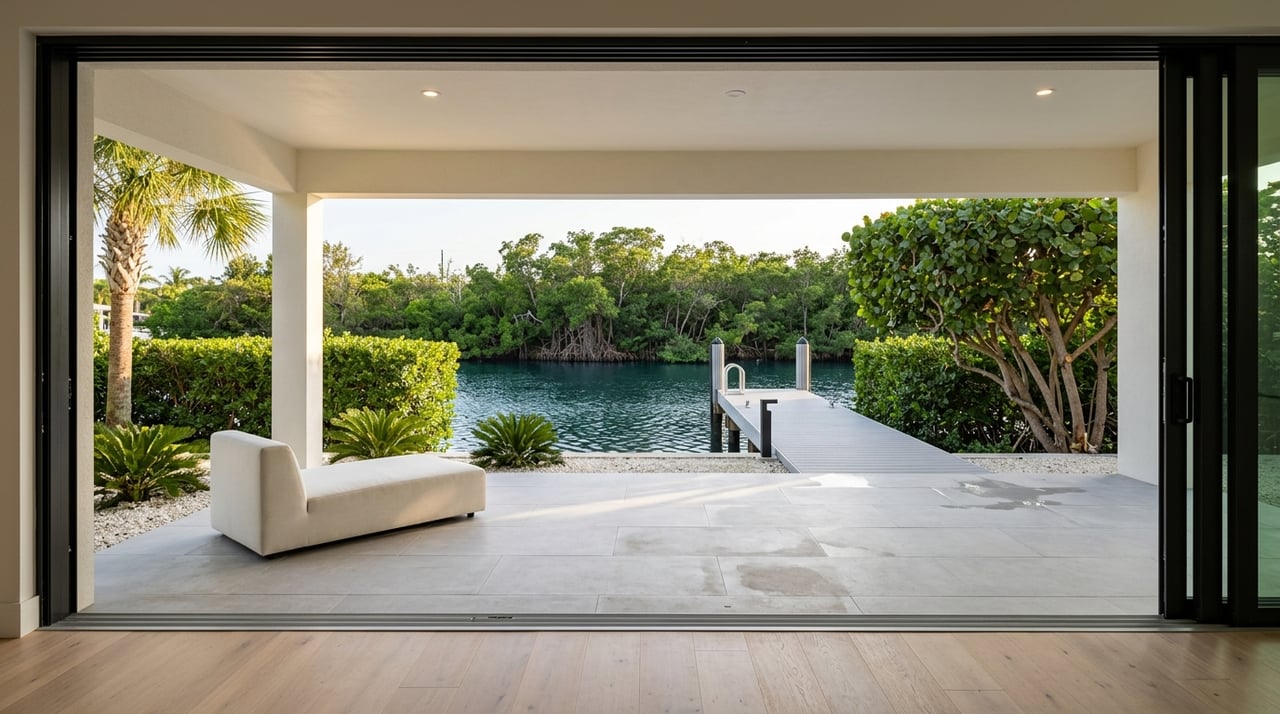
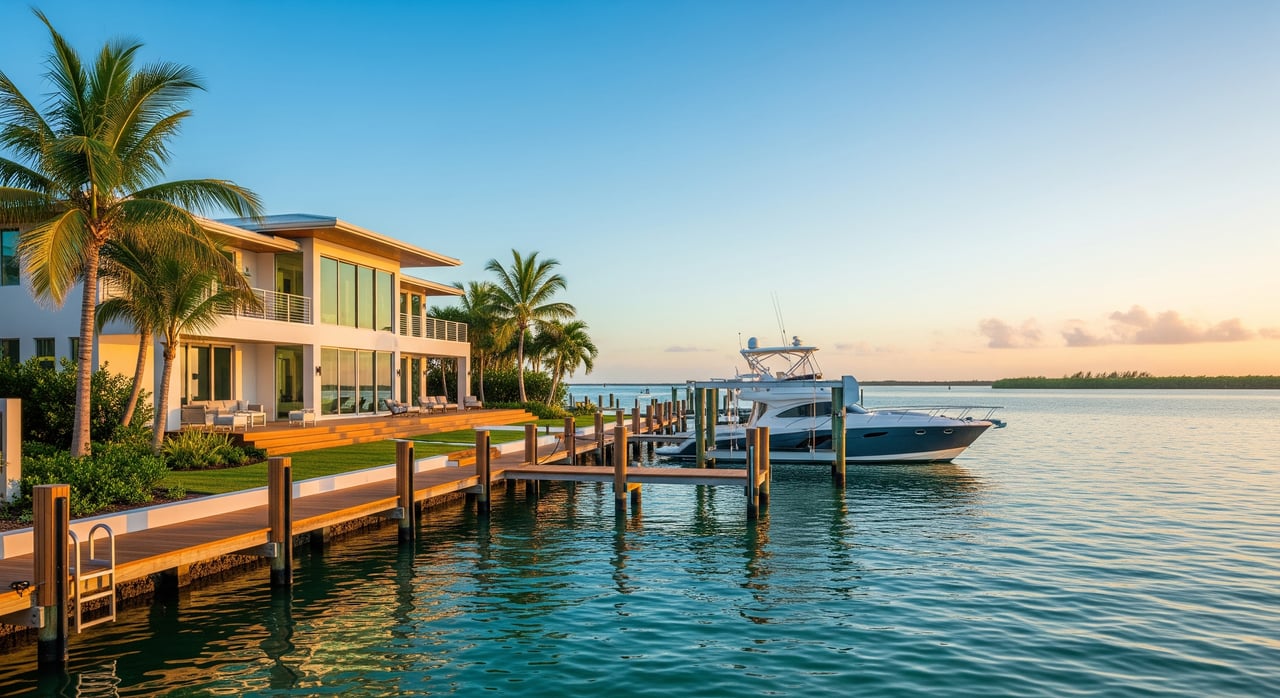
These areas feature single-family homes and smaller condo buildings along dredged canals or the bayfront. Private docks and lifts are common, subject to permits and HOA rules. Water is generally more sheltered, which helps with year-round moorage and maintenance.
- Best for: Buyers who want a private dock at home and quick access to the Intracoastal and bay.
- What to verify: Dock dimensions, lift allowances, HOA policies on expansion, and whether local channels are routinely maintained.
Gulffront condos and beachfront homes
Gulffront ownership is about view lines, sunsets, and beach access. Because of the shallow nearshore shelf and environmental limits, most of these properties do not offer deepwater dockage on-site. Many owners pair beach living with a leased slip on the bay side.
- Best for: Buyers who want the beach lifestyle and are comfortable keeping a larger boat at a nearby marina.
- What to verify: Proximity and availability at nearby bay marinas, HOA policies on small craft storage, and parking for trailered boats if applicable.
Condos with community marinas
Some condo communities include a small marina or bulkhead docks with a limited number of slips. Availability can be rationed through deeded rights, assignments, or rental programs.
- Best for: Condo buyers who need a slip but value low-maintenance living and shared amenities.
- What to verify: Whether slips are deeded or assigned, current waitlists, fees, power availability, and maximum vessel size.
Location and lifestyle factors
Beyond dock specs, think about how you will actually use the boat and the property.
- Gulf access time: If you run offshore often, ask about travel time to the nearest pass and any tidal windows.
- Service yards: For larger yachts, confirm proximity to full-service yards for haul-outs and mechanical work on both the Manatee and Sarasota sides.
- Exposure and comfort: Sheltered canal slips reduce wave action and wind exposure, which can lower wear and tear.
- Amenity package: Gated entry, clubhouse, on-site dining, and fitness or spa services may matter if you want a resort-level lifestyle.
Ownership vs leased slips
How you control the slip can be as important as where it is. In some communities, a slip conveys with the property. In others, the HOA manages assignments or you lease from a nearby marina. If slips are limited, there may be a waiting list. This affects both your day-to-day boating and resale value.
Ask for written policies on slip assignment and transfer at resale. Confirm current availability in writing. If you plan to upgrade boats, confirm the maximum vessel size allowed in the slip and what it would take to move into a larger berth.
Questions to ask marinas and HOAs
Before you make an offer, speak with the marina or HOA property manager to verify the details that matter for your boat and usage.
- What is the maximum LOA, beam, and draft by slip category?
- What is the depth at mean low water at the slip and along the approach channel?
- Are slips deeded, assigned, or leased? What are current wait times?
- What is the shore power amperage at the slip, and are pump-out and fuel available nearby?
- What is the hurricane plan, and are there requirements for removal at certain storm levels?
- What are the transient and guest slip policies and rates?
- Are there live-aboard restrictions, quiet hours, lighting rules, or pet policies?
Showing checklist for boat-ready homes
Use this quick field checklist during tours and listing reviews.
- Bring your boat’s LOA, beam, and draft specs.
- Request a current dock map and slip measurement or survey.
- Ask for the most recent depth readings and maintenance schedule for the canal or marina channel.
- Confirm any bridge clearances on your typical route.
- Review HOA dock rules, fees, and transfer policies in writing.
- Verify power and water at the dock and location of pump-out and fuel.
- Discuss storm plans and your insurance carrier’s requirements.
Hurricane readiness and insurance
Coastal boating and ownership require a clear storm plan. Many marinas and HOAs specify how and when vessels must be removed or secured when a named storm approaches. Some communities coordinate haul-outs or provide stack storage options. Your insurer may set requirements for windstorm coverage, haul-out reimbursement, and named-storm protocols.
Before closing, confirm the property’s and marina’s hurricane procedures. Ask where boats are typically hauled, how fast slots fill during peak season, and how to reserve a space.
How a local advisor helps
Rules, depths, and slip availability can change. A local advisor can coordinate with marina managers, confirm HOA policies, and align communities with your exact vessel and lifestyle. You save time and avoid surprises by verifying key details before you go under contract.
If you want to compare neighborhoods, validate slip options, or line up tours that match your boat’s specs, reach out to James A. Brown for a focused, boat-first search strategy.
FAQs
Can I keep a 40 to 60 foot yacht at home on Longboat Key?
- Possibly, but it depends on the specific dock, channel depth, and HOA or marina rules. Many bayfront canals and resort marinas can handle vessels in this range if depth, LOA, and beam limits are met.
Do Longboat Key Gulffront condos include deepwater slips?
- Most Gulffront properties focus on beach access and views, so owners usually keep larger boats at marinas on the bay side rather than on-site.
Are boat slips deeded with Longboat Key condos and homes?
- Sometimes. In some communities slips are deeded to units, while others use HOA-managed assignments or leases. This affects availability and resale value, so verify in writing.
Who maintains Longboat Key’s private canals and access channels?
- Responsibility varies. Some HOAs or local districts handle maintenance, while public channels may be managed through county or federal projects. Property owners rarely control public dredging.
How does hurricane season change boating plans on Longboat Key?
- Marinas and HOAs set storm procedures such as haul-outs or required removal at certain thresholds. Insurance and early planning are essential, and some facilities require a documented plan.