Are you dreaming about a Longboat Key condo you can lock, leave, and enjoy season after season? That goal sounds simple, but on a barrier island, the right fit depends on much more than views and square footage. If you are comparing communities for seasonal living, it helps to know how building style, association rules, insurance details, and storm planning can shape your experience. Let’s dive in.
Why Longboat Key Appeals to Seasonal Buyers
Longboat Key offers a distinct coastal setting between the Gulf of Mexico and Sarasota Bay. The town notes that the island’s northern portion is in Manatee County, while the southern portion is in Sarasota County. For you as a seasonal owner, that can affect county-level taxes, services, emergency contacts, and voter precincts depending on the parcel.
That split is one reason seasonal condo shopping here deserves a careful, property-by-property approach. Two communities may both be on Longboat Key, yet they can operate differently based on location, association structure, and amenity package. Looking beyond the view helps you choose a home that feels easy to own when you are in town and manageable when you are away.
What Condo Living Looks Like Here
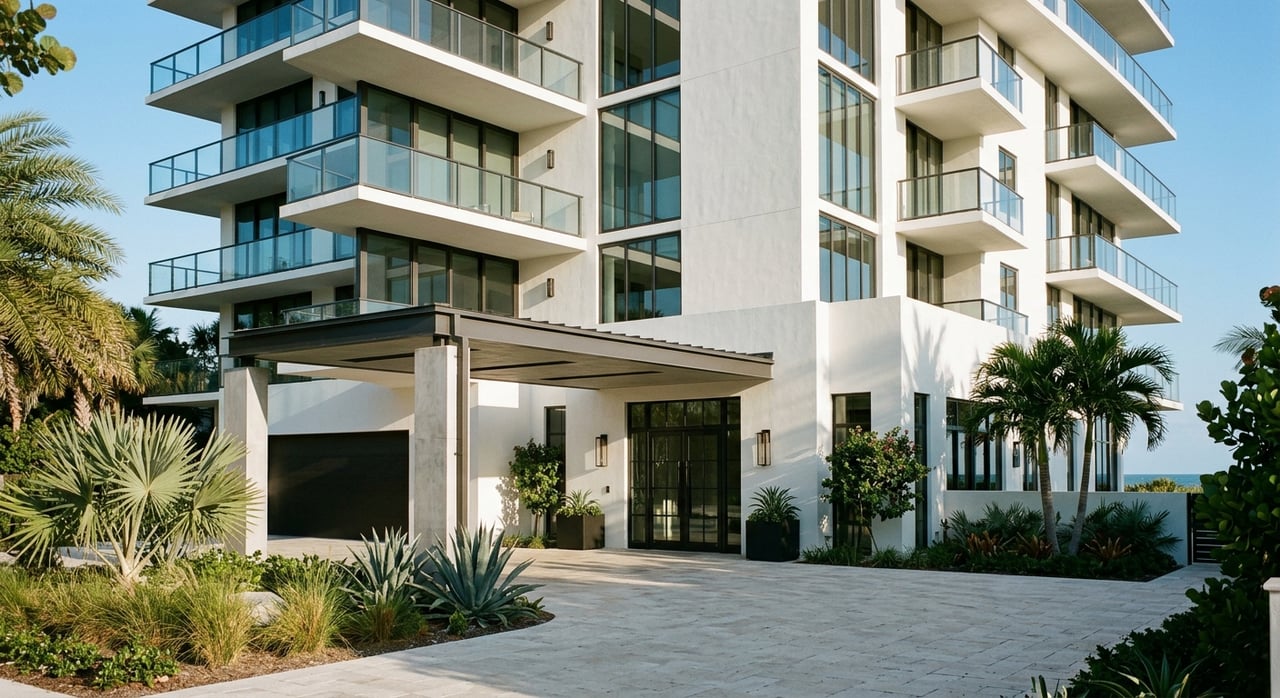
Longboat Key does not have a one-size-fits-all condo market. Community information shows a mix of beachfront towers, bayfront and marina-adjacent properties, mid-rise buildings, townhouse-style residences, and smaller villa-style enclaves. That variety gives you options, but it also means your seasonal lifestyle should guide your search.
Some communities are built around a more managed, resort-like experience. For example, The Water Club includes two towers and 172 units, along with a clubhouse, pools, four Har-Tru tennis courts, gated access, concierge staff, and garage parking. Other properties may offer a different rhythm, with smaller-scale layouts or bayfront settings that trade full-service features for a more private feel.
You can also find communities with practical amenities that matter for part-time use. Islander Club includes north and south towers, a community room, library, fitness center, and beachfront pool. Marina Bay is a three-building community with five elevator-accessed floors, while Bay Isles includes 19 distinct neighborhoods with condos, attached homes, and single-family homes.
Seasonal Features That Matter Most
If you plan to spend part of the year on Longboat Key, convenience tends to matter as much as style. The most helpful features are often the ones that make arrivals, departures, and shorter stays easier. That can mean less stress each time you come back to the island.
Key features to compare include:
- Beach or bay access
- Gated entry
- On-site management or concierge services
- Elevators
- Covered or garage parking
- Guest-friendly common areas
- Extra storage
- Pools
- Tennis or pickleball courts
- Fitness rooms
- Golf access
- Marina access
These amenities appear repeatedly across Longboat Key communities, but not in the same combinations. A beachfront tower may offer more services and shared amenities, while a smaller villa-style property may offer a simpler ownership experience. The best fit depends on how often you visit, how much support you want on site, and whether you plan to entertain guests or rent the unit.
Compare Communities by Lifestyle
Seasonal condo choices on Longboat Key are often less about floor plan alone and more about operating style. That is a practical way to narrow your options before you get too focused on finishes or décor. When you think in terms of daily use, the right community usually becomes clearer.
Beachfront Towers
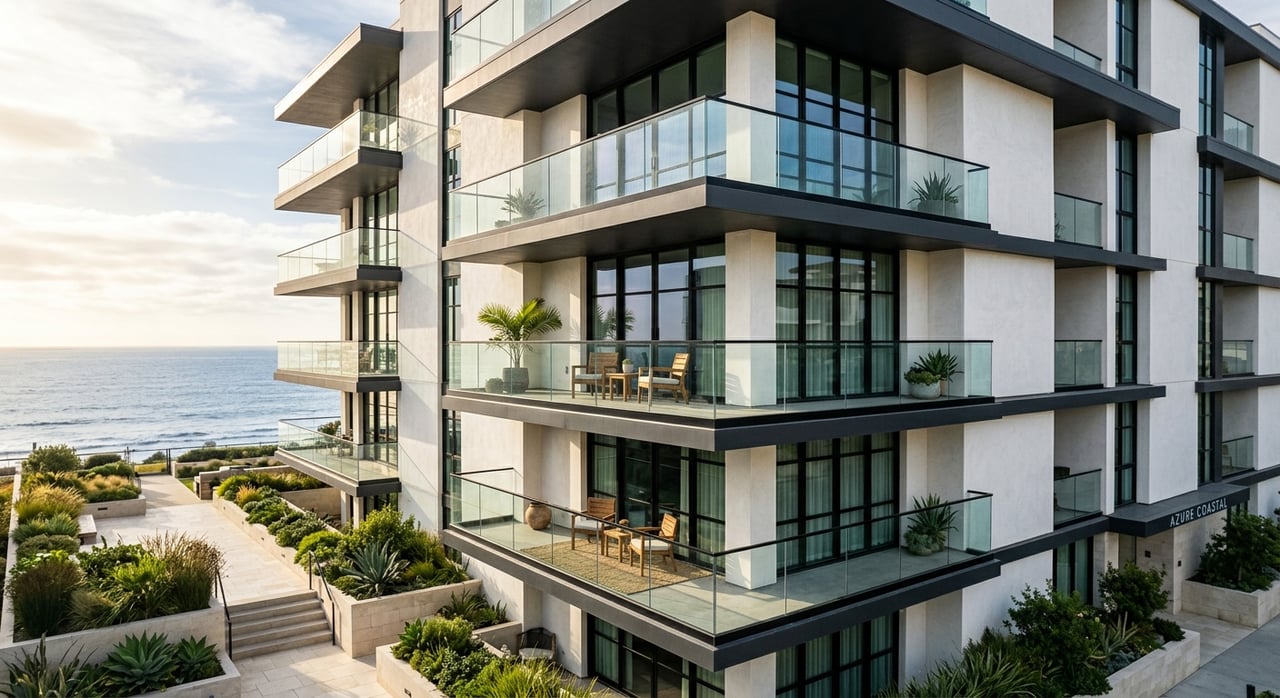
Beachfront towers often appeal to buyers who want direct beach access and a more managed environment. These communities may include concierge services, fitness amenities, elevators, structured parking, and larger common areas. For many seasonal owners, that setup feels convenient because the building handles more of the day-to-day operational load.
Bayfront and Marina Settings
Bayfront and marina-adjacent communities can be attractive if you prefer water views, boating access, or a slightly different pace than a Gulf-front tower. Depending on the property, you may find a blend of scenic waterfront living and easier access to marina amenities. These communities can offer a strong lifestyle match if your seasonal routine centers on the bay as much as the beach.
Villas and Smaller Enclaves
Smaller communities and villa-style properties may feel more low-key and private. They can still offer desirable amenities, but often with a different maintenance and management structure than a high-rise tower. If you want a quieter footprint or a more residential feel, this category may be worth a closer look.
Understand Condo Fees and What They Cover
One of the most important questions for a seasonal buyer is simple: what does the condo fee actually include? On Longboat Key, fee structures can vary widely because communities differ so much in amenities, staffing, shared facilities, and association layers. A property with concierge services, tennis courts, beach access, and garage parking will not operate the same way as a smaller building with fewer shared features.
You should ask which amenities are covered by the base assessment and whether there are separate club or master-association costs. That matters in places with broader neighborhood structures, such as Bay Isles, where the community setup may include multiple neighborhoods and shared access patterns. A clear fee breakdown can help you compare true ownership costs, not just asking prices.
Review Maintenance and Hurricane Responsibility
On a barrier island, maintenance responsibilities deserve careful review. Under Florida condominium law, the association is responsible for common-element maintenance, while limited common elements may be assigned to owners through the declaration. For you, that means the answer to “who handles what?” may vary from one building to another.
Hurricane protection is especially important in coastal communities. Florida law states that boards must adopt specifications for hurricane protection, and responsibility for items such as shutters, windows, or other protective features can depend on the declaration and board action. Before you buy, it is smart to confirm who maintains windows, doors, shutters, balconies, and related components, as well as the association’s replacement schedule.
Insurance Questions You Should Ask
Insurance is another area where seasonal buyers need clear answers. Florida law requires condominium associations to maintain adequate property insurance, but the statute excludes certain inside-the-unit items and personal property from association coverage. In many cases, the association also handles reconstruction after a loss unless the statute or declaration says otherwise.
That does not mean your own coverage is optional. Florida’s condo-sale disclosure law specifically states that homeowners insurance policies do not include flood coverage. On Longboat Key, where flood planning is a real part of ownership, you should verify separate flood coverage, understand deductibles, and review any assumptions tied to the association’s master policy.
Check Building Inspections and Reserves
A beautiful lobby or updated grounds do not tell you everything about a building’s long-term condition. In Florida, residential condominium buildings that are three or more habitable stories can be subject to milestone inspection rules when they reach certain ages. Associations with buildings of three or more stories are also required to complete a structural integrity reserve study.
For you, the practical issue is readiness. Ask whether the association has current inspection reports, reserve funding, and a plan for major systems such as roofs, structural components, fireproofing, plumbing, electrical systems, waterproofing, exterior painting, windows, and doors. Florida also requires associations to keep official records that include bylaws, rules, insurance policies, inspection reports, and structural integrity reserve studies.
Pending or likely special assessments are worth discussing early. They can affect your budget and your comfort level with the building’s long-term planning. A seasonal home should feel enjoyable, but it should also feel financially understandable.
Think Through Rental Flexibility
If you may rent out your condo when you are not using it, Longboat Key requires extra attention. Florida law defines a rental agreement broadly enough to include written agreements and oral agreements of less than one year, but each condominium community can still impose its own lease restrictions through its declaration and rules. That makes rental flexibility a building-specific issue, not a market-wide assumption.
You should ask about:
- Minimum lease length
- Tenant approval requirements
- Limits on how often a unit can be rented
- Whether the association helps administer rentals
Florida law also provides that a later amendment restricting rentals, changing rental terms, or limiting rental frequency applies only to owners who consented and to buyers who purchased after the amendment took effect. If renting is part of your seasonal plan, this is an important detail to review with the association documents.
If the unit will be advertised or rented in town, Longboat Key states that a business tax receipt is required for residential rental activity. That is another reason to confirm that your intended use aligns with both association rules and local requirements before you move forward.
Prepare for Storm Season and Time Away
Storm planning is part of owning on Longboat Key. The town states that all residents are in Level A Evacuation Zone, maintains hurricane preparedness information, and provides property flood-data lookup tools. For seasonal owners, these are not just helpful resources. They are part of responsible ownership.
If you will be away for part of the year, ask how the building handles storm communication, access after events, and maintenance coordination. You may also want to confirm whether the community has management support that helps monitor shared spaces and building operations during periods when many owners are gone. A seasonal condo should give you confidence even when you are not on the island.
Don’t Overlook Pet Rules and Daily Logistics
If you travel with a pet, be sure to review both association rules and town requirements. Longboat Key requires animal licenses through the county portion of the island, requires leashes in town spaces, and prohibits animals on the beach. Those rules can affect your daily routine more than you might expect.
It is also wise to look at practical details like parking convenience, elevator access, owner storage, and guest policies. These may sound minor during a showing, but they can shape how easy the property feels during a short seasonal stay. Often, the communities that work best over time are the ones that make everyday logistics simple.
A Smart Way to Compare Longboat Key Condos
When you compare condo communities for seasonal living, try to view each property through the lens of use, cost, and readiness. A well-matched condo should support the way you actually plan to live, not just look impressive on paper. That includes everything from entry access to inspection records.
A strong comparison checklist includes:
- Which county the parcel is in
- What the condo fee covers
- Whether there are separate club or master-association costs
- Whether inspection reports and reserve studies are current
- How reserves are funded
- Whether special assessments are pending
- Who maintains windows, doors, shutters, balconies, and hurricane protection items
- What rental rules apply
- Whether local rental requirements fit your plan
- How the property supports storm preparation and time away
Longboat Key offers a wide range of seasonal condo options, from highly managed beachfront towers to smaller enclaves and bayfront settings. The right choice depends on how much service, flexibility, and upkeep support you want. If you want a clear, local perspective on which communities best match your seasonal goals, James A. Brown can help you compare your options with confidence.
FAQs
What makes Longboat Key condos attractive for seasonal living?
- Longboat Key offers a mix of beachfront, bayfront, marina-adjacent, mid-rise, townhouse-style, and villa-style communities, giving you options based on how much service, access, and maintenance support you want.
What should you ask about condo fees on Longboat Key?
- You should ask what the base assessment covers, which amenities are included, and whether there are separate club or master-association costs.
What should seasonal buyers know about hurricane planning on Longboat Key?
- The town states that all residents are in Level A Evacuation Zone and provides hurricane preparedness information and flood-data lookup tools, so storm planning should be part of your ownership checklist.
What insurance issue is especially important for Longboat Key condo buyers?
- Florida’s condo-sale disclosure law states that homeowners insurance does not include flood coverage, so you should verify separate flood coverage, deductibles, and the association master policy details.
What rental rules should you check in a Longboat Key condo community?
- You should confirm minimum lease length, tenant approval rules, rental frequency limits, and whether a business tax receipt is required for your planned rental activity in town.
What building records should you review before buying a Longboat Key condo?
- Ask for current inspection reports, reserve information, insurance policies, bylaws, rules, and any structural integrity reserve study documents the association is required to keep.